By Hannah Walhout
Of the myriad ways travel connects us to a destination, few are as immediate—or as memorable—as a locally sourced meal. Flavors instantly transport us through taste and smell. And the ingredients behind those flavors? They reveal even more: the essence of a place and its people, their heritage and traditions, and a shared belief in the power of food to inspire and unite us in meaningful ways.
“There is definitely a resurgence of wanting to be connected to your food,” says Melissa Logan, executive pastry chef at Montage Palmetto Bluff. Indeed, travelers are literally hungry for authentic culinary experiences that are not only delicious, but also enriching in other ways—culturally, emotionally, and environmentally.
Waiting to feed both their appetites and their curiosity are Montage chefs from coast to coast, each of whom is focused on procuring the freshest ingredients they can find. It’s all part of a culinary philosophy that combines a commitment to local cultures and sustainable practices with a passion for bringing flavors to life in innovative new ways. Their creations are delicious proof that a good meal is more than meets the eye (or the mouth). It’s a celebration of the long journey each ingredient has made—and the stories behind them continue long after the last bite.
Tastes Like Home
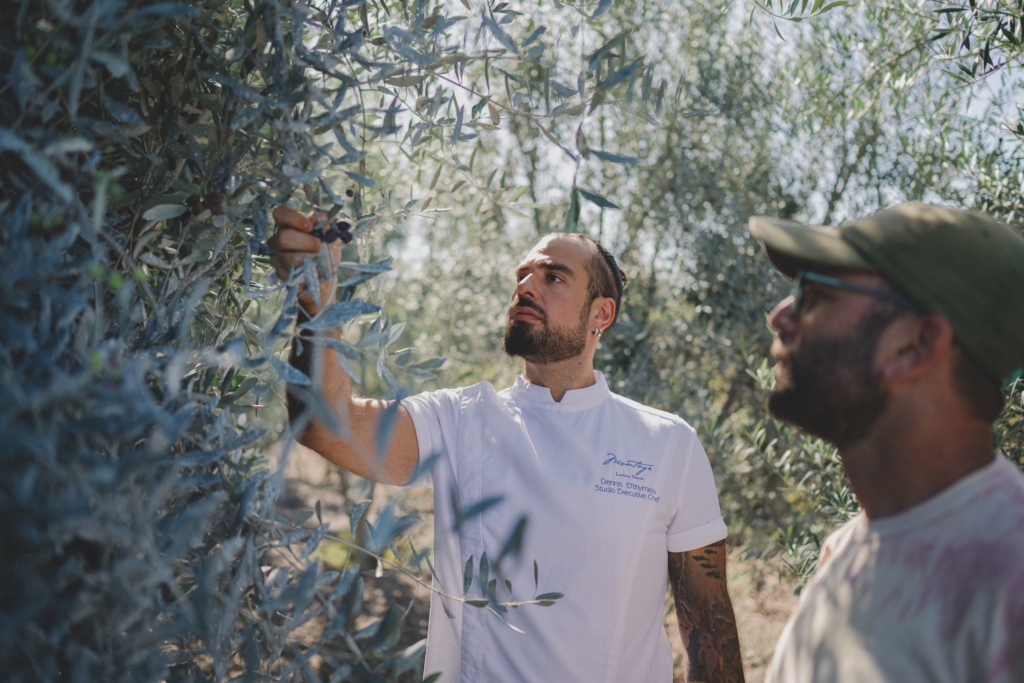
Chef Dennis Efthymiou has always incorporated Mediterranean sensibilities into his craft, whether cooking in Europe, South America, or California. But Montage Laguna Beach’s signature restaurant Studio Mediterranean is the first place since leaving his home of Greece that his native cuisine is truly at the heart of every dish. It’s a natural fit, says the chef: “In coastal California, the ingredients vibe with the Mediterranean.”
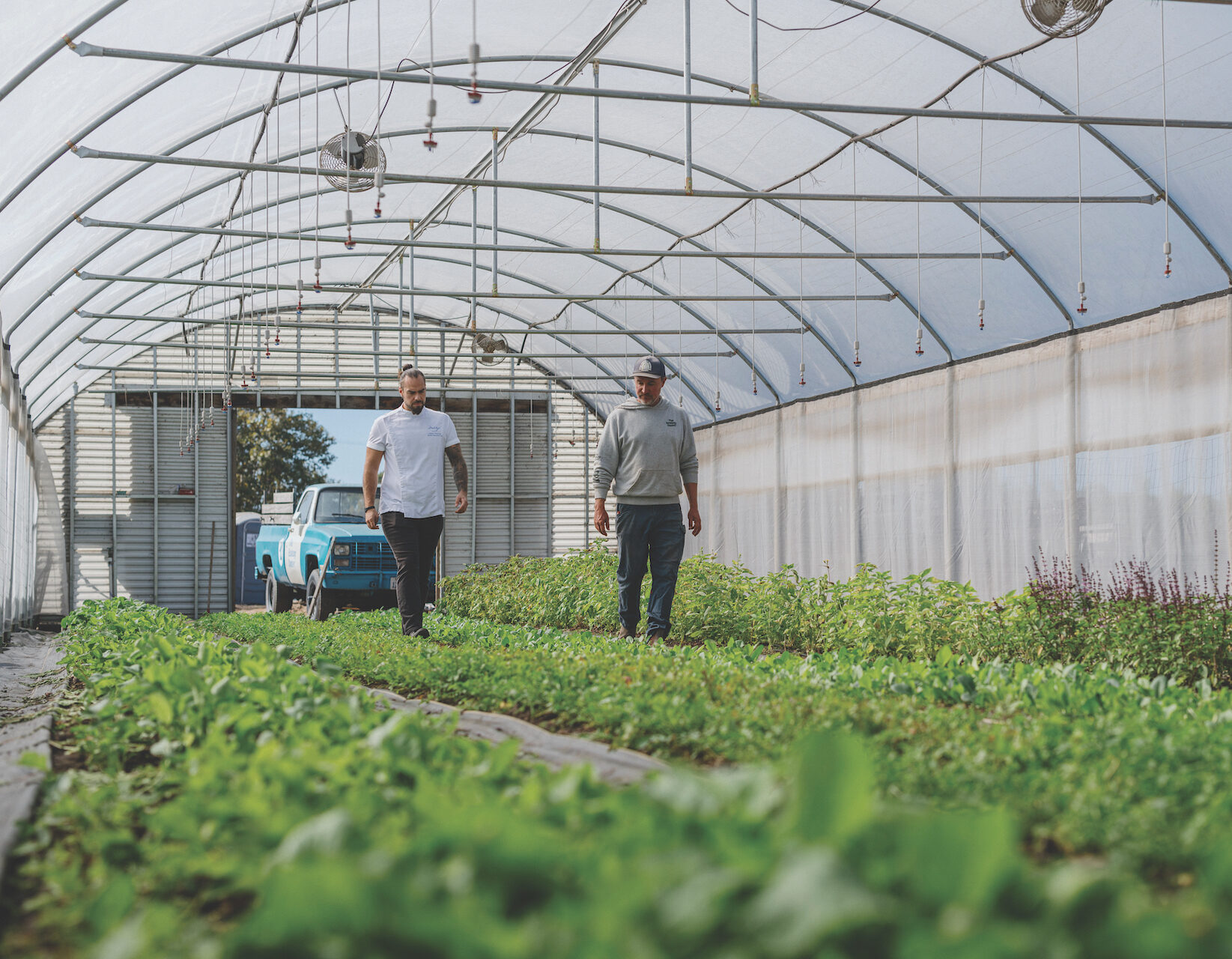
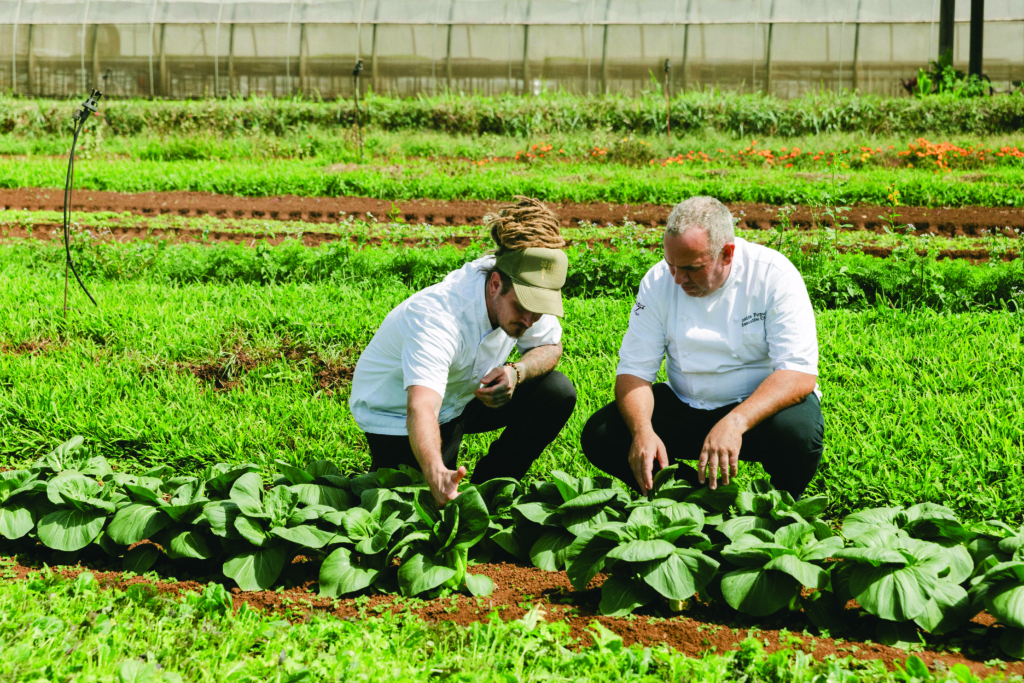
Just like in his homeland, the fertile lands of Orange County provide countless opportunities to source herbs, fruits, and vegetables. Of the many small farms and markets Efthymiou has come to know since his arrival in California, one relationship has been particularly fruitful. “I work a lot with the Ecology Center in San Juan Capistrano, which is phenomenal,” he says. Located 15 minutes inland from the resort, the 28-acre center is a regenerative organic-certified farm and education center that serves as a hub for Southern California’s ecological movement. It’s also a mecca of sorts for the chef—especially when it comes to sourcing the beloved ingredients of his childhood.
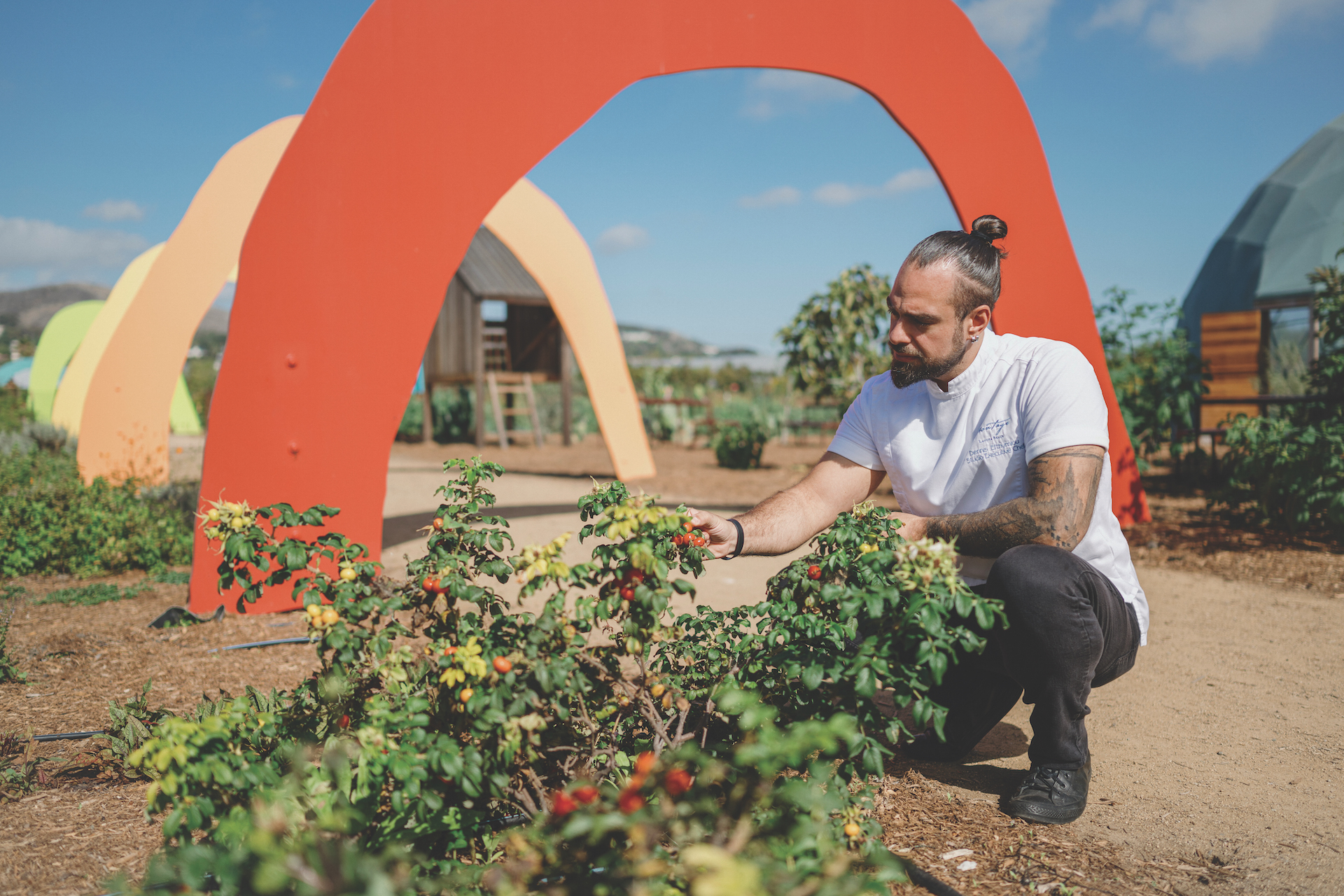
“I grew up eating tomato salads from my grandma’s garden,” Efthymiou says. Though he initially struggled to find tomatoes of the same caliber in the U.S., the Ecology Center’s heirloom tomatoes, green peppers, pomegranates, and other produce—all fresh, juicy, and flavorful—virtually transported him back home. “One bite and I was in my grandmother’s garden again,” he recalls.
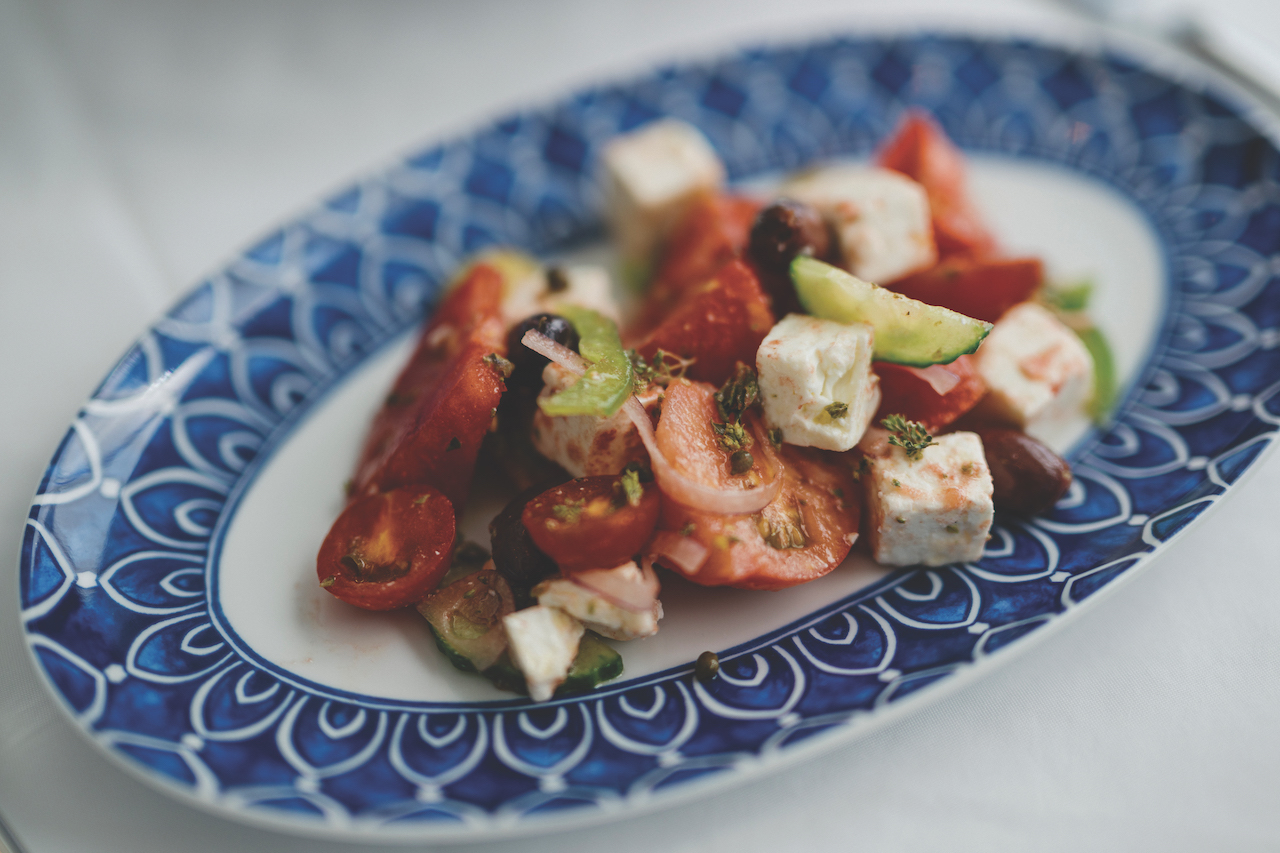
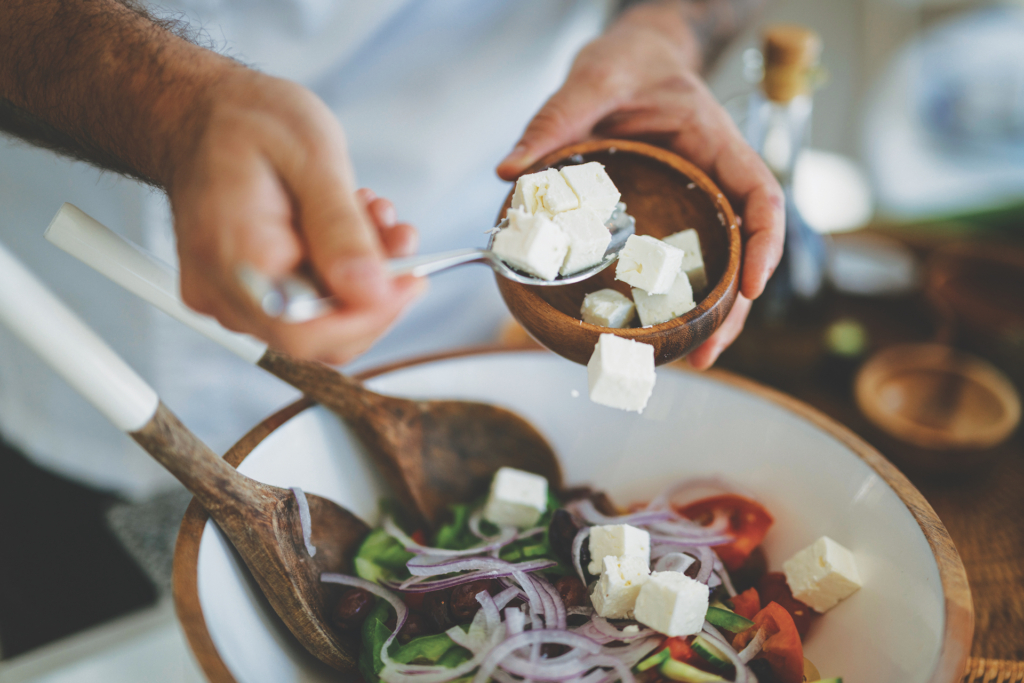
Those simple yet meaningful ingredients ultimately fueled inspiration for Studio Mediterranean’s horiatiki, also known as Greek salad. In it, farm-fresh tomatoes, green bell peppers, crunchy onions, Persian cucumber, savory olives, and fresh herbs are tossed tableside with special ingredients Efthymiou has sourced from Greece, like a family-produced olive oil and feta from his hometown of Ioannina. “Greek salad is one of the best dishes on the planet in terms of nutritional value and flavor,” the chef says. And at Studio Mediterranean, it’s a chance to share his culture, his roots—and now, the very best of his adopted California home.
Pine Dining
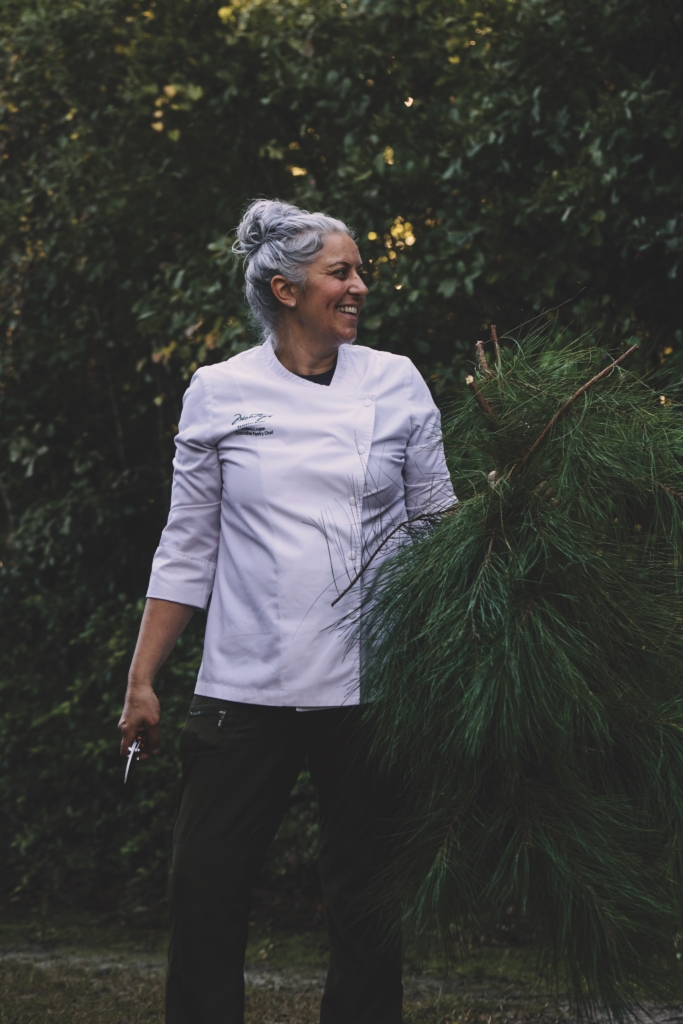
Sometimes, sourcing locally means simply looking right outside your door. That’s what Montage Palmetto Bluff’s pastry chef Melissa Logan did when she received an unusual dessert request: For a dinner pairing at the resort’s fine-dining restaurant, River House, she was tasked with creating a sweet dish to match a wine with notes of pine bough. “I hadn’t worked with pine in my career,” she admits, “but we are surrounded by pine down here in South Carolina.”
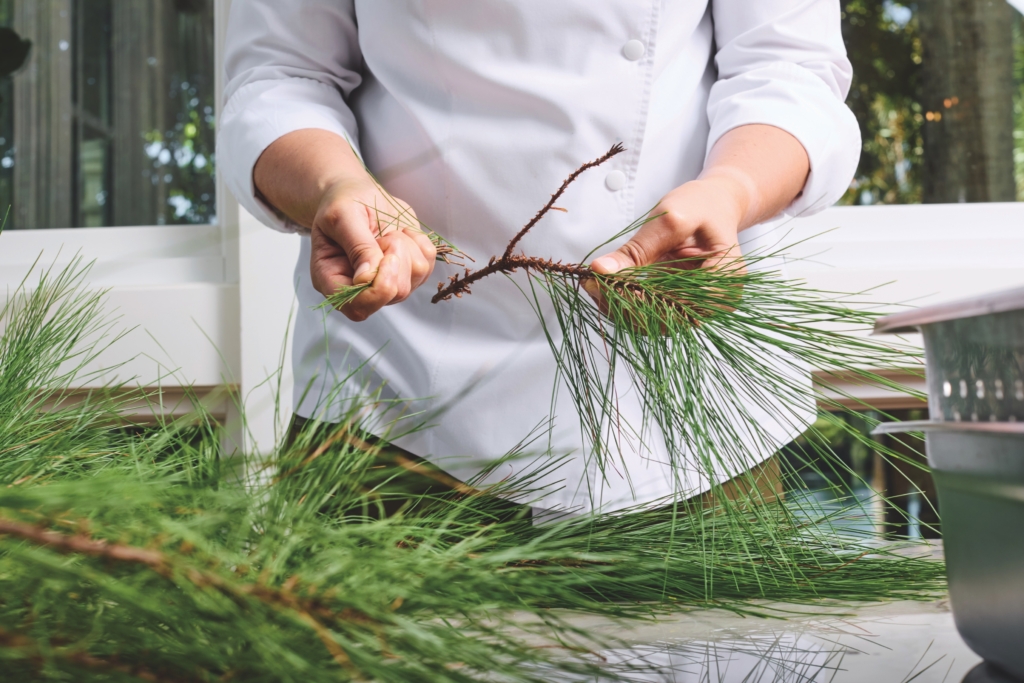
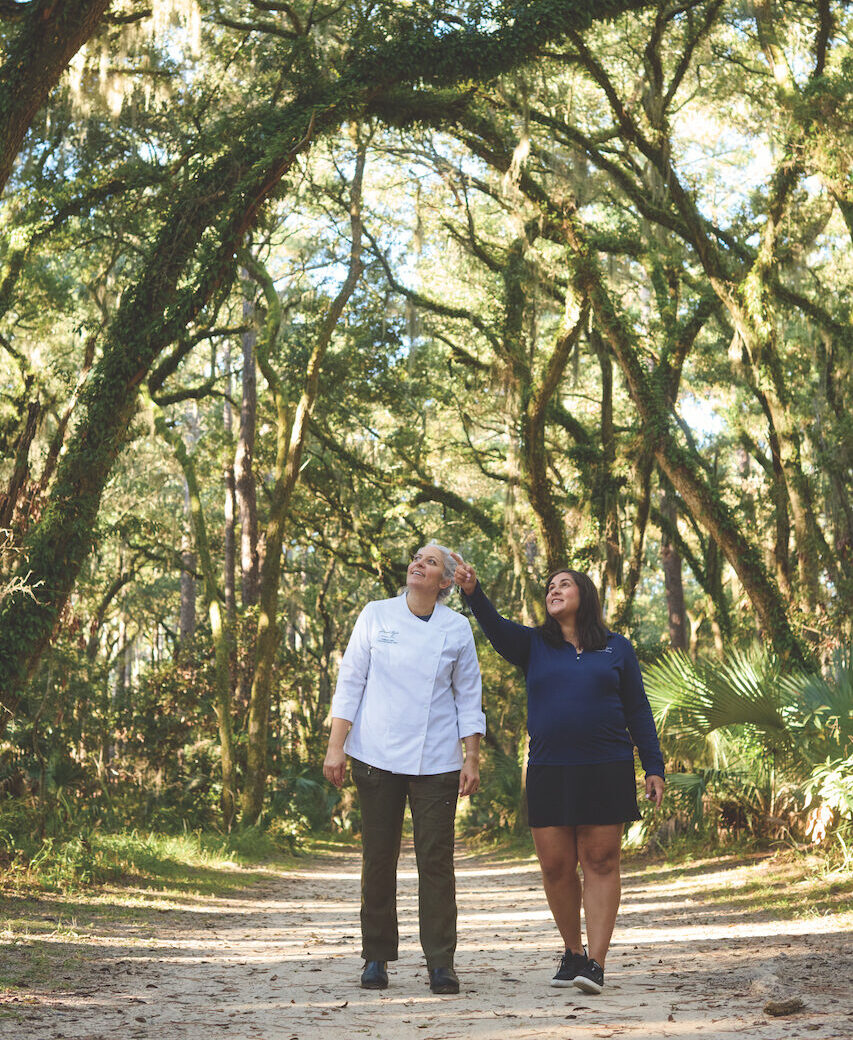
Logan reached out to Cassie Critchlow, Montage Palmetto Bluff’s resident naturalist, for some help. Together, they zeroed in on the needles of the native loblolly pine, which they foraged from the 13,000-acre Palmetto Bluff Conservancy surrounding the property.
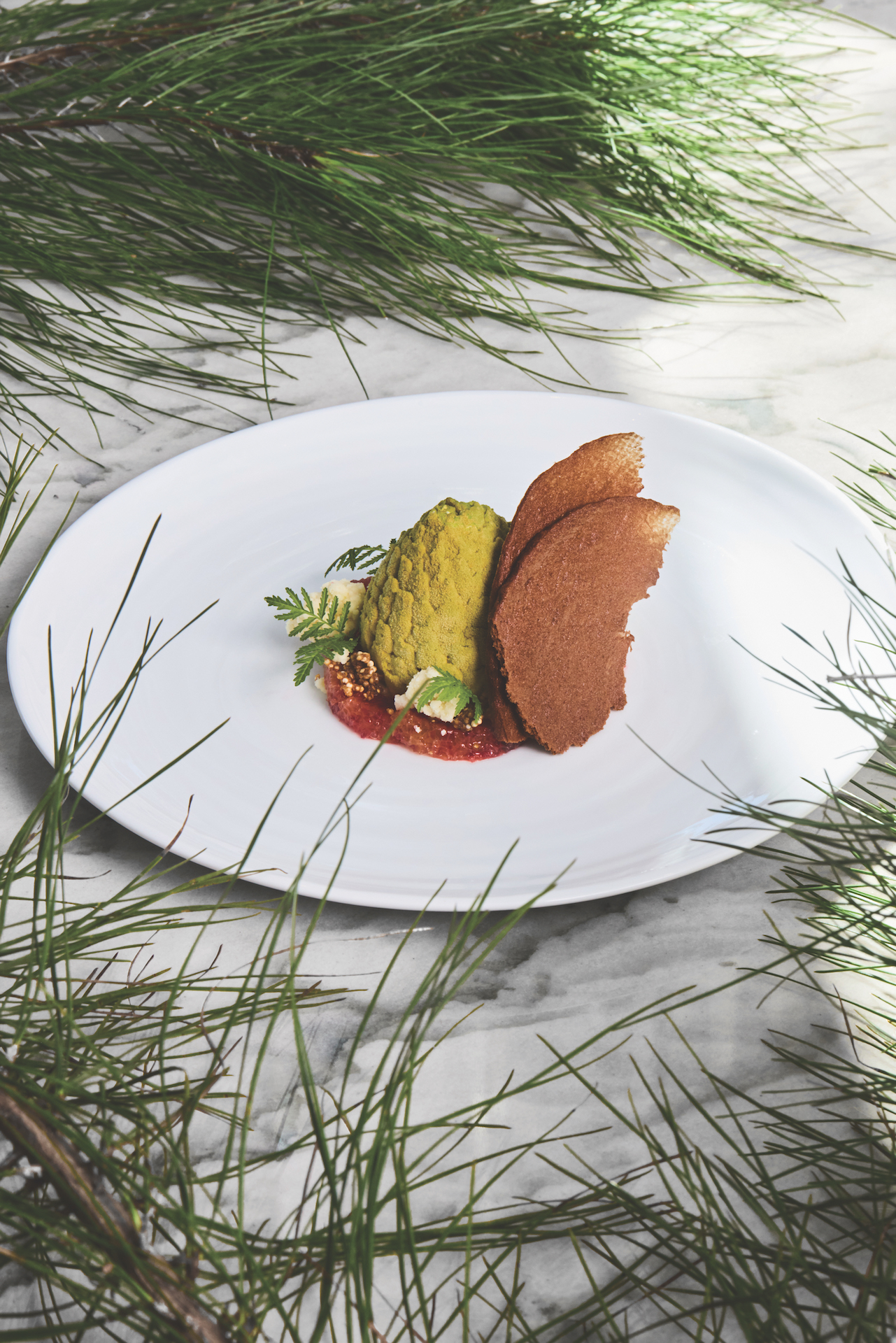
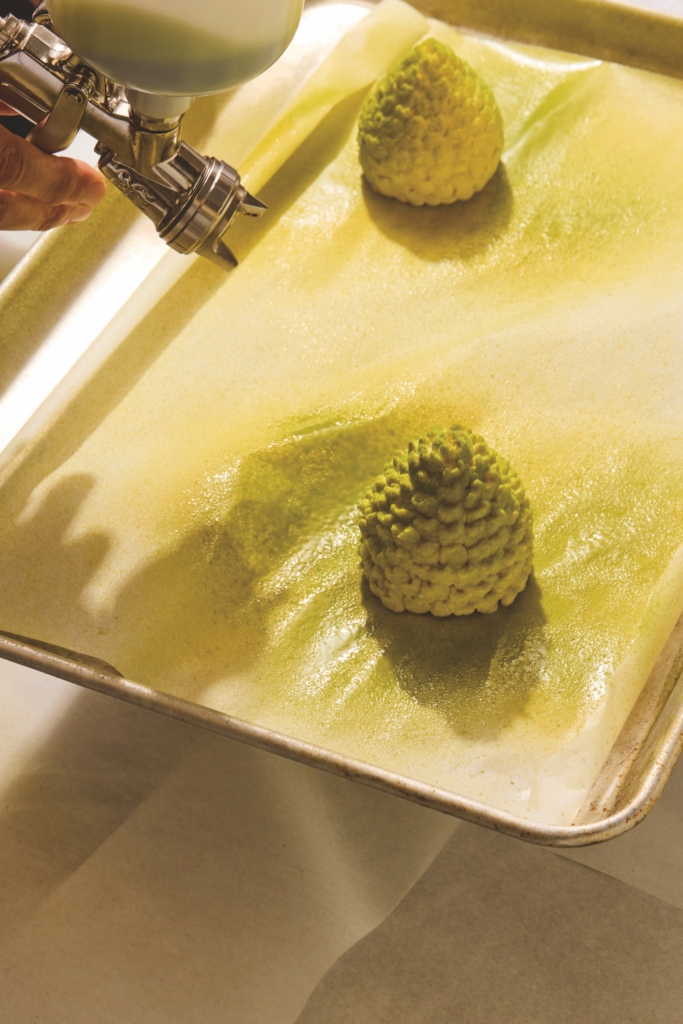
Once in the kitchen, however, Logan had her work cut out for her. How to make something sweet and edible from a stiff and spikey pine needle? First, she simmered the twigs in heavy cream, both to soften their composition and enrich their flavor. Next, the needles were blended into an evergreen-inflected mousse, which was then molded into the shape of a pinecone. “We get such great intensity,” Logan says of the resulting flavor, while noting that the loblolly bears a surprisingly distinct taste and smell compared to the pungent, Christmas-tree flavor of typical pine trees. Instead, the loblolly’s needles bear strong notes of citrus, which are complemented with ingredients like yuzu, blood orange, and a
cassis filling.
The resulting dessert, appropriately named the Palmetto Bluff Loblolly Pine, now has a permanent place on the River House menu, allowing Logan the opportunity to broaden diners’ horizons with an ingredient they might at first view with skepticism. “People are hesitant for sure,” she says with a laugh. “But to be able to say, ‘this dessert literally came from our backyard’—it’s just special.”